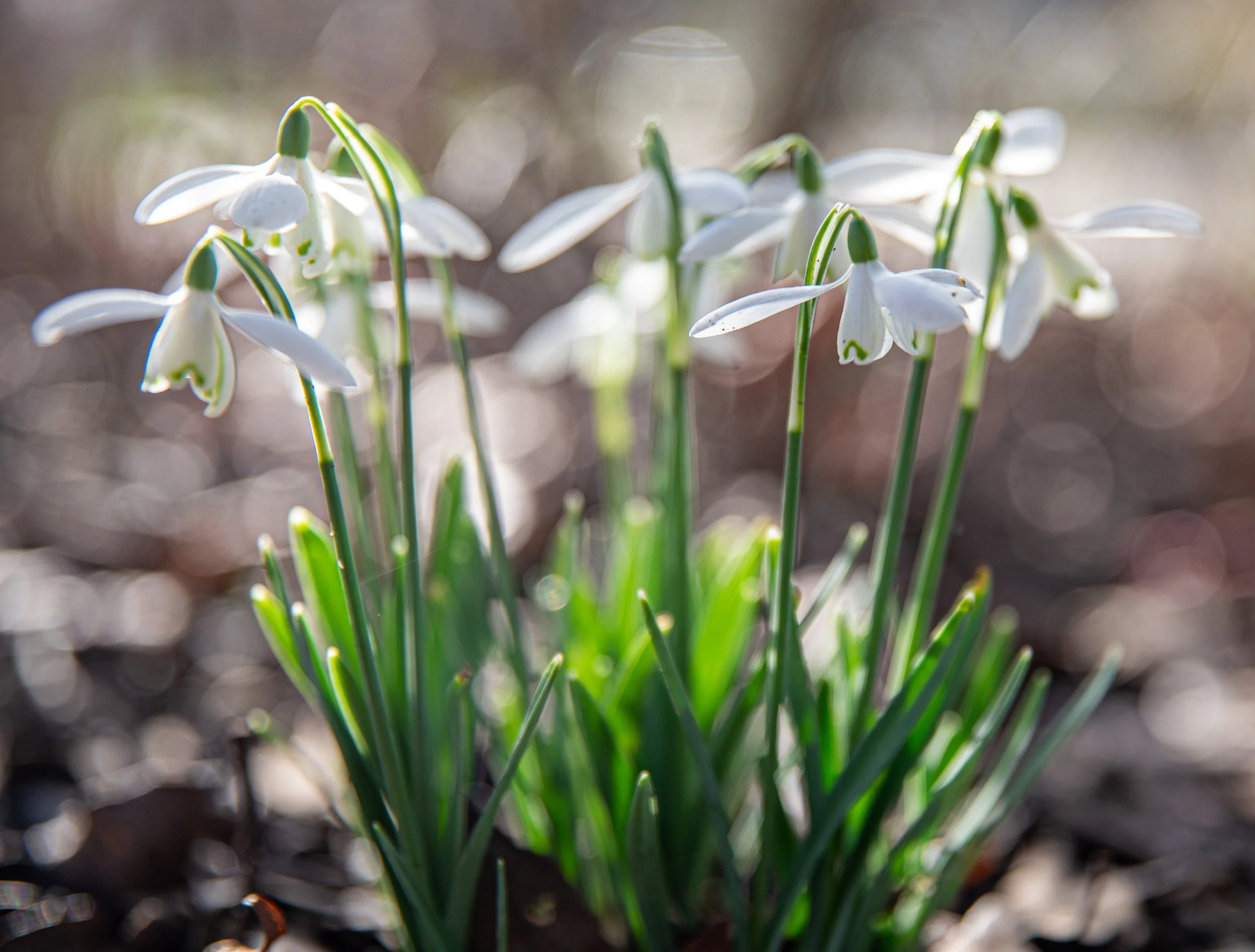
Snowdrops galore
December and January can sometimes feel completely dead in the garden. So when the first snowdrops appear in February it is easy to get excited about a tiny white flower. Barely taller than 15cm, but usually in clumps, snowdrops can make galanthaphiles and photographers fall to their knees to get a better look.
Native or Naturalised?
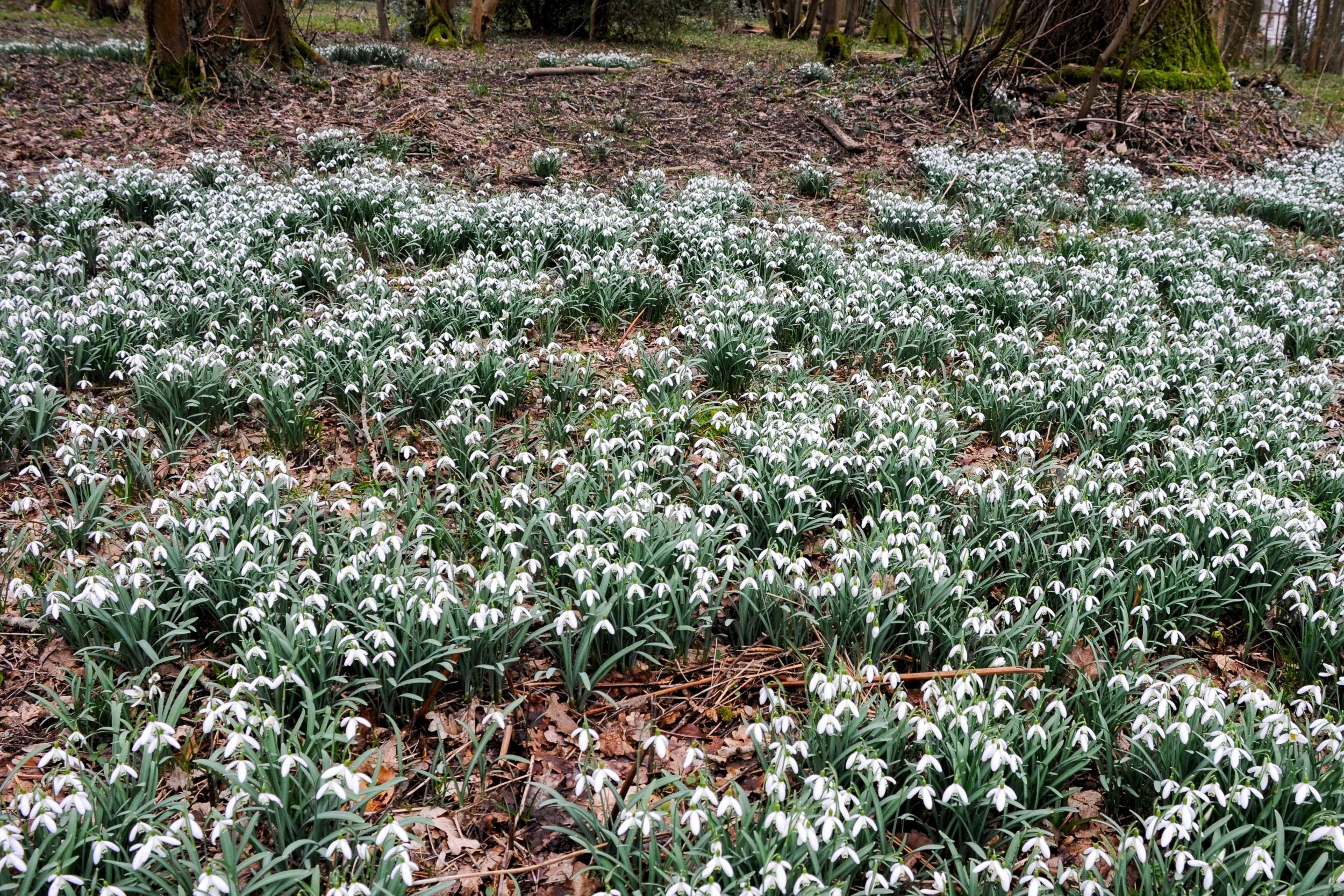
Contrary to popular opinion the common snowdrop, Galanthus nivalis, is not a native plant but has become naturalised in woodlands and gardens across the whole of the British Isles. Originally it hails from further south in Europe, from Spain to Ukraine.
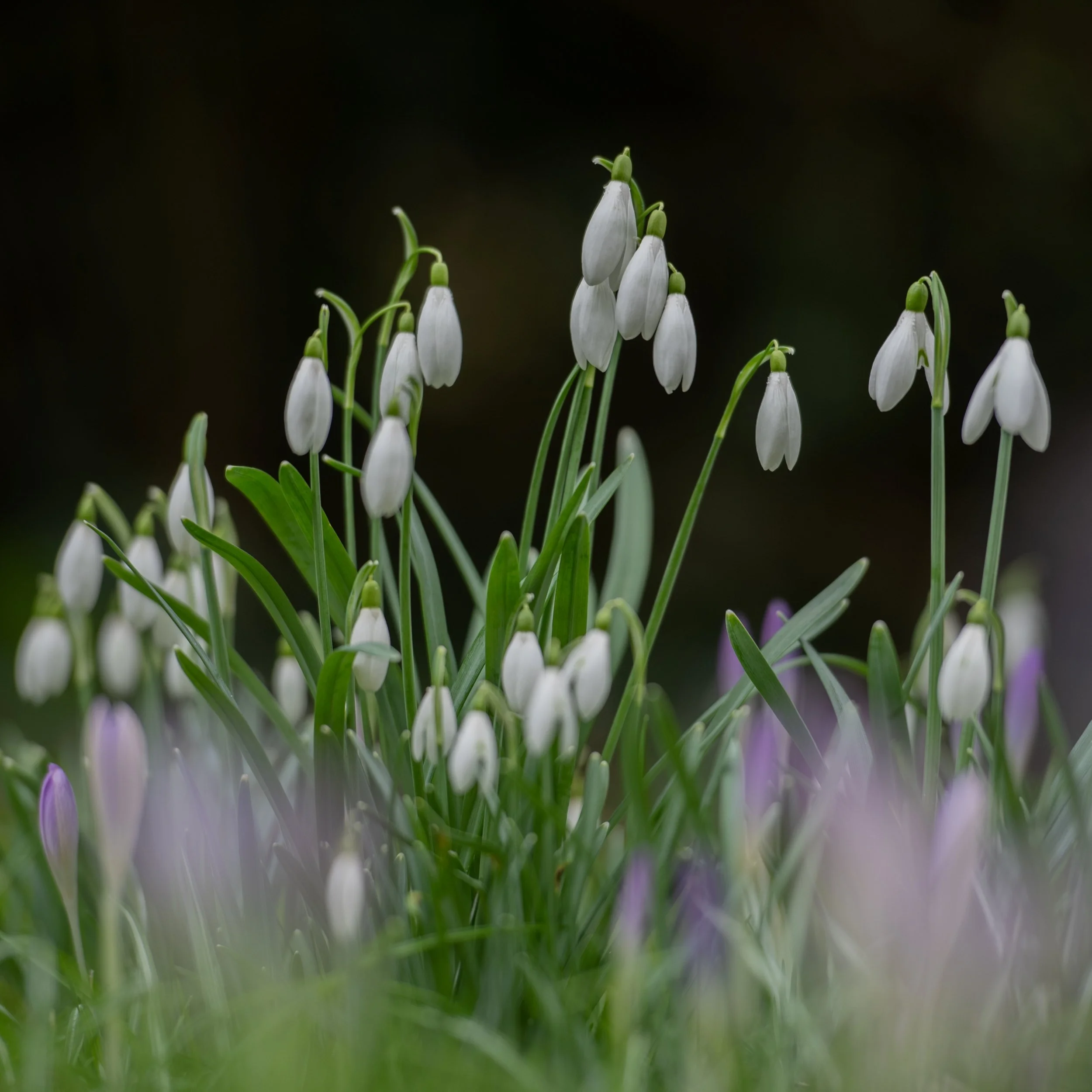
Snowdrops are bulbs, generally flowering between January and April. February is the peak month in the south of England. They cross-pollinate easily hence the huge number of varieties and the zealousness of galanthaphiles to spot the next new snowdrop.
Using Snowdrops in Your Garden
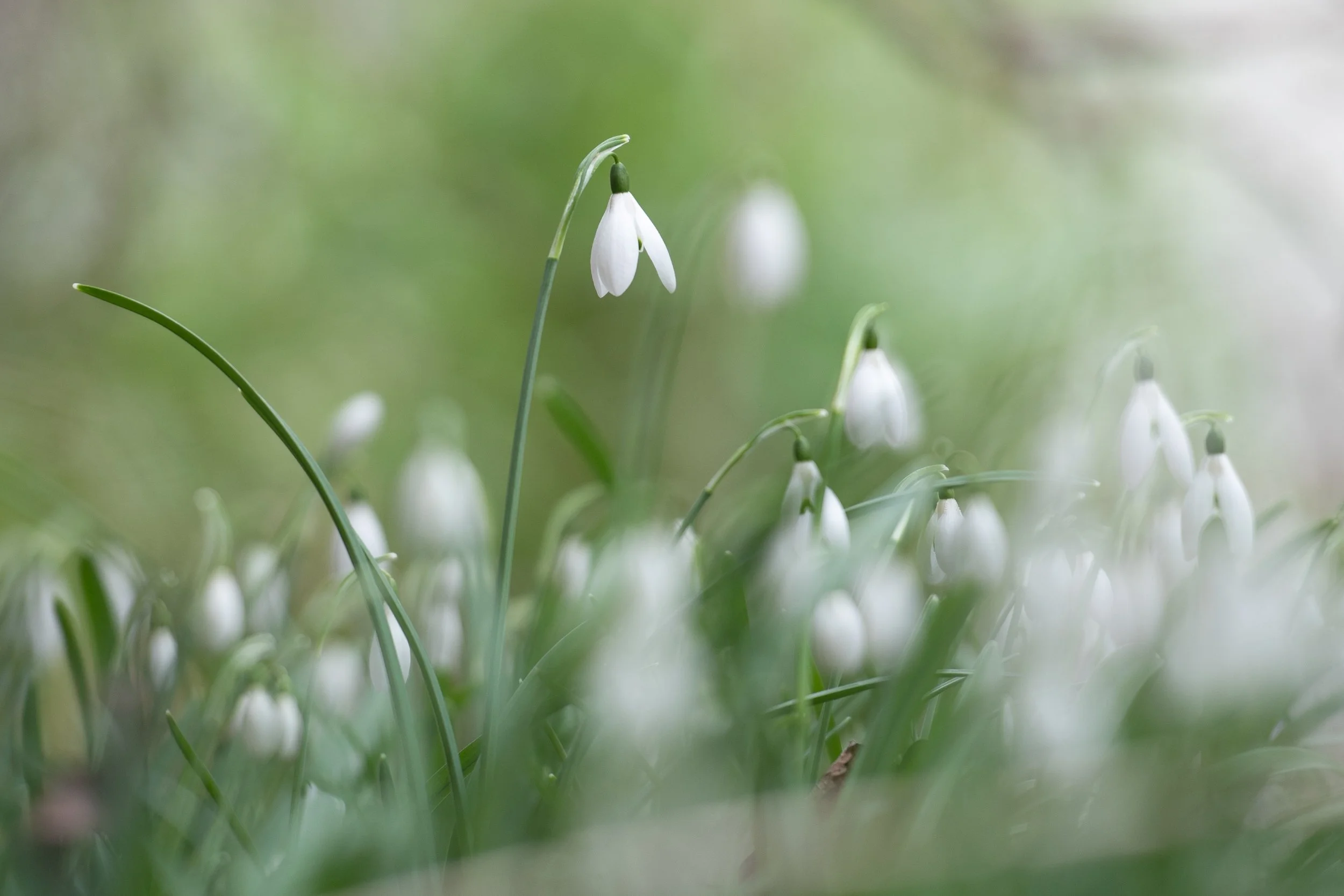
Christopher Lloyd thought “all of us need more snowdrops in our gardens”. I agree. Snowdrops grow well under deciduous trees where there is not too much competition from grass. The shady, bare spots next to hedges are also good and snowdrops will do well in areas where they will not be disturbed and can distribute their seeds on bare ground.
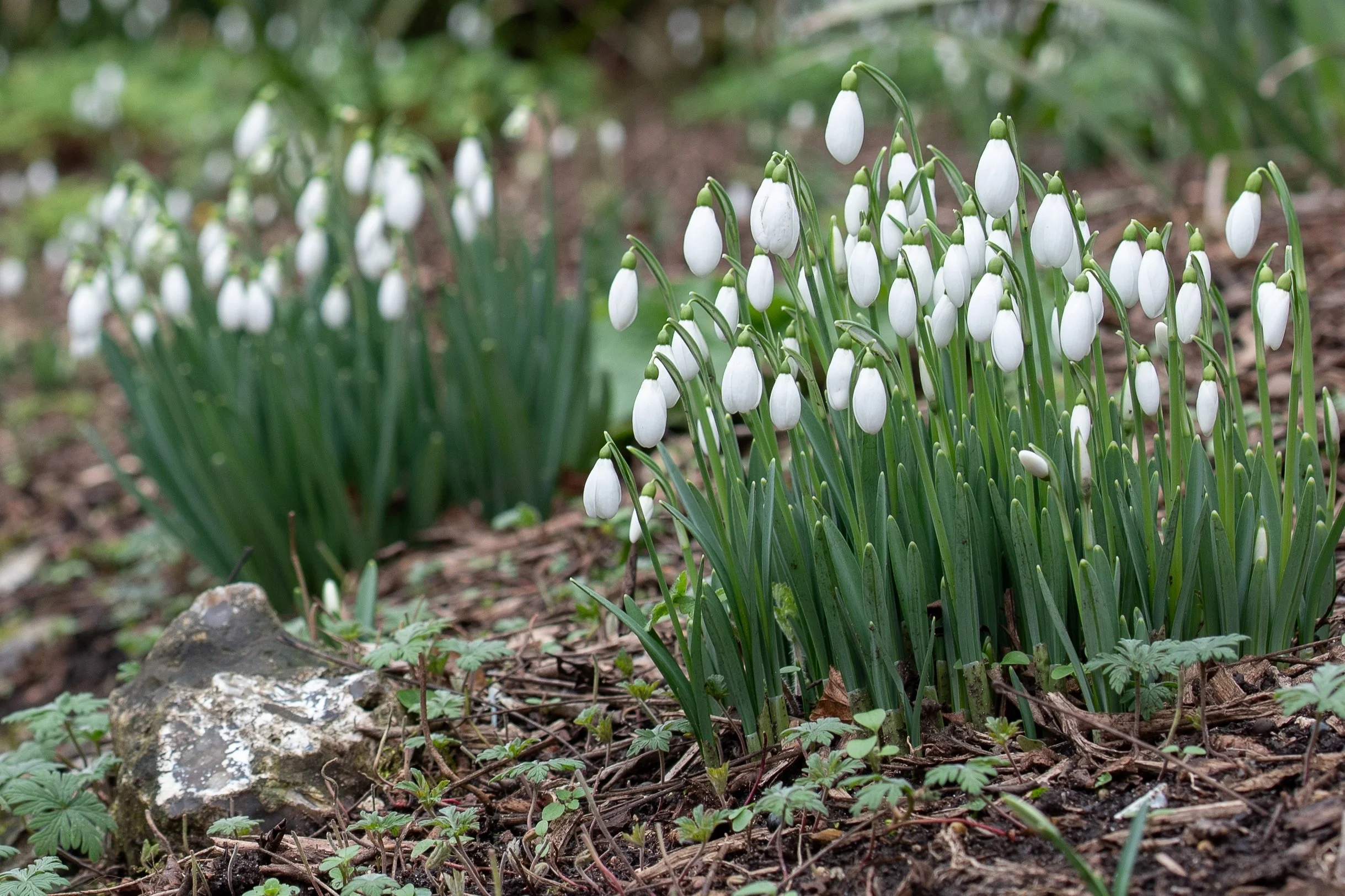
Generally, only the single-flowered varieties are fertile and will spread by seed, the doubles are usually sterile. Snowdrops planted on drystone walls may self-seed themselves on the face of the wall.
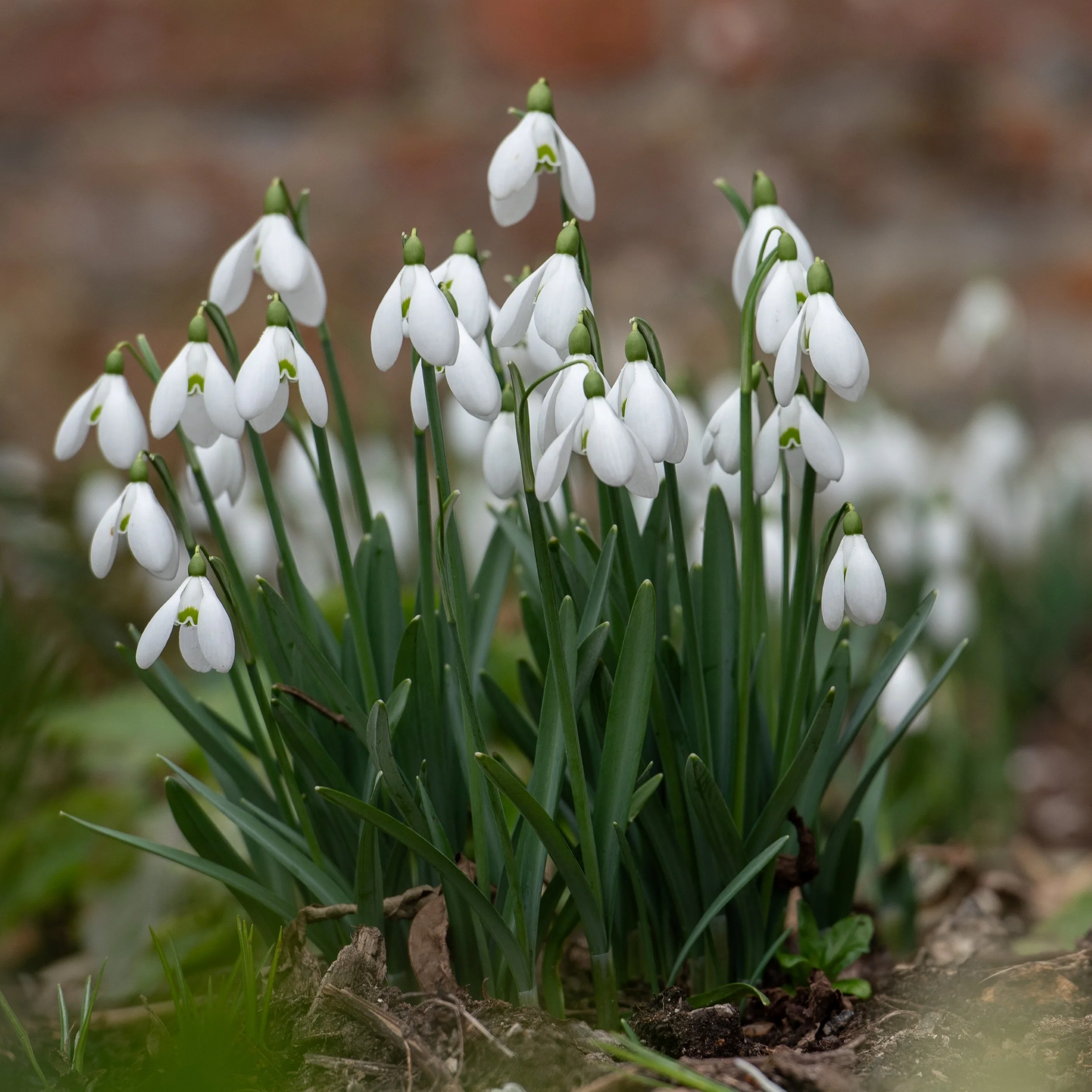
Snowdrop bulbs are easily available to plant in the autumn. They usually take a year or so to settle down and flower. I’ve had more success planting snowdrops “in the green”. Last winter my dad gave me several handfulls from his own long-cultivated clumps and almost all of them have come up in my garden this winter.
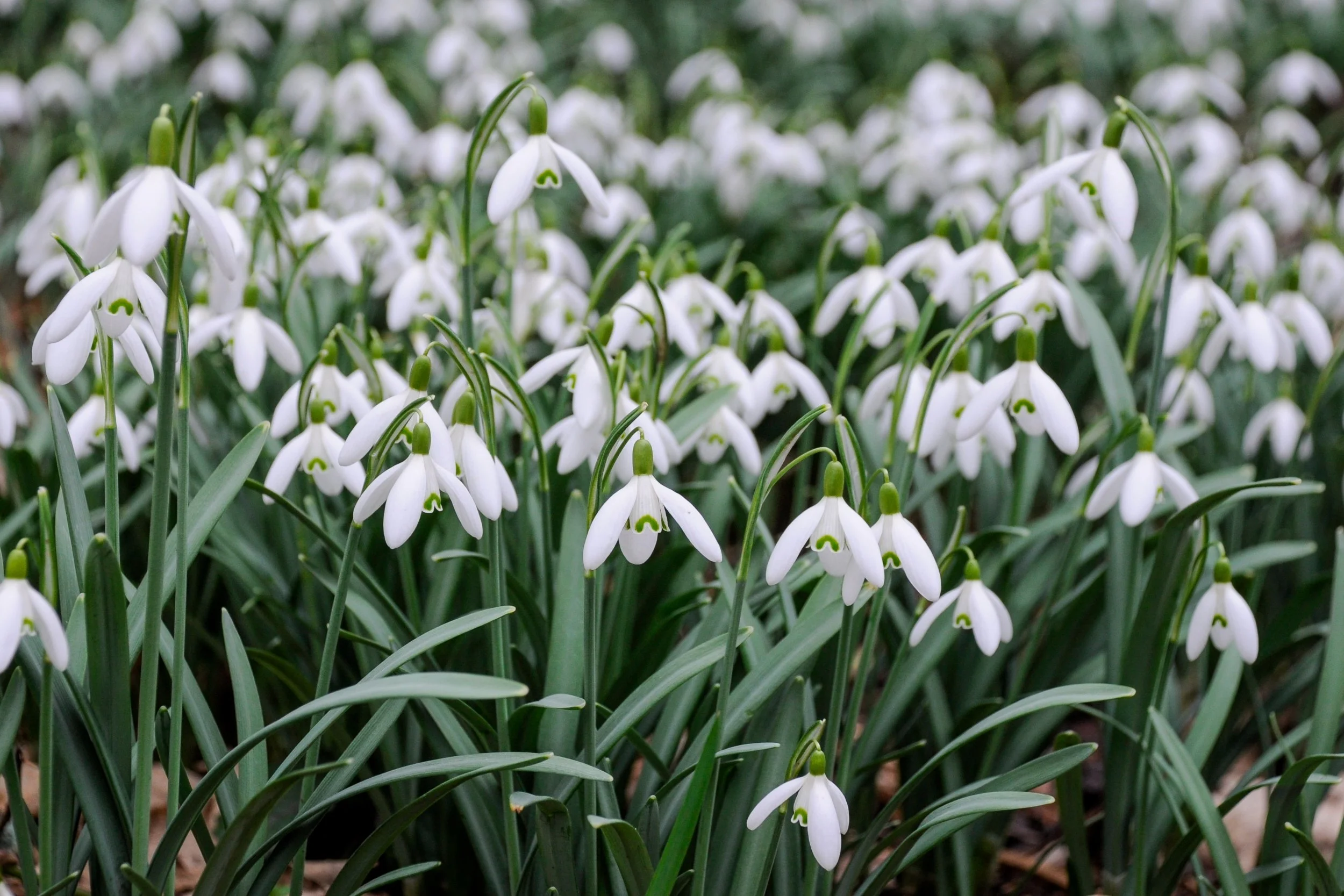
Although I really like Snowdrops I’m not that fussy about what sort I grow. Galanthophiles will pay hundreds of pounds for the rarest specimens. Good for them.
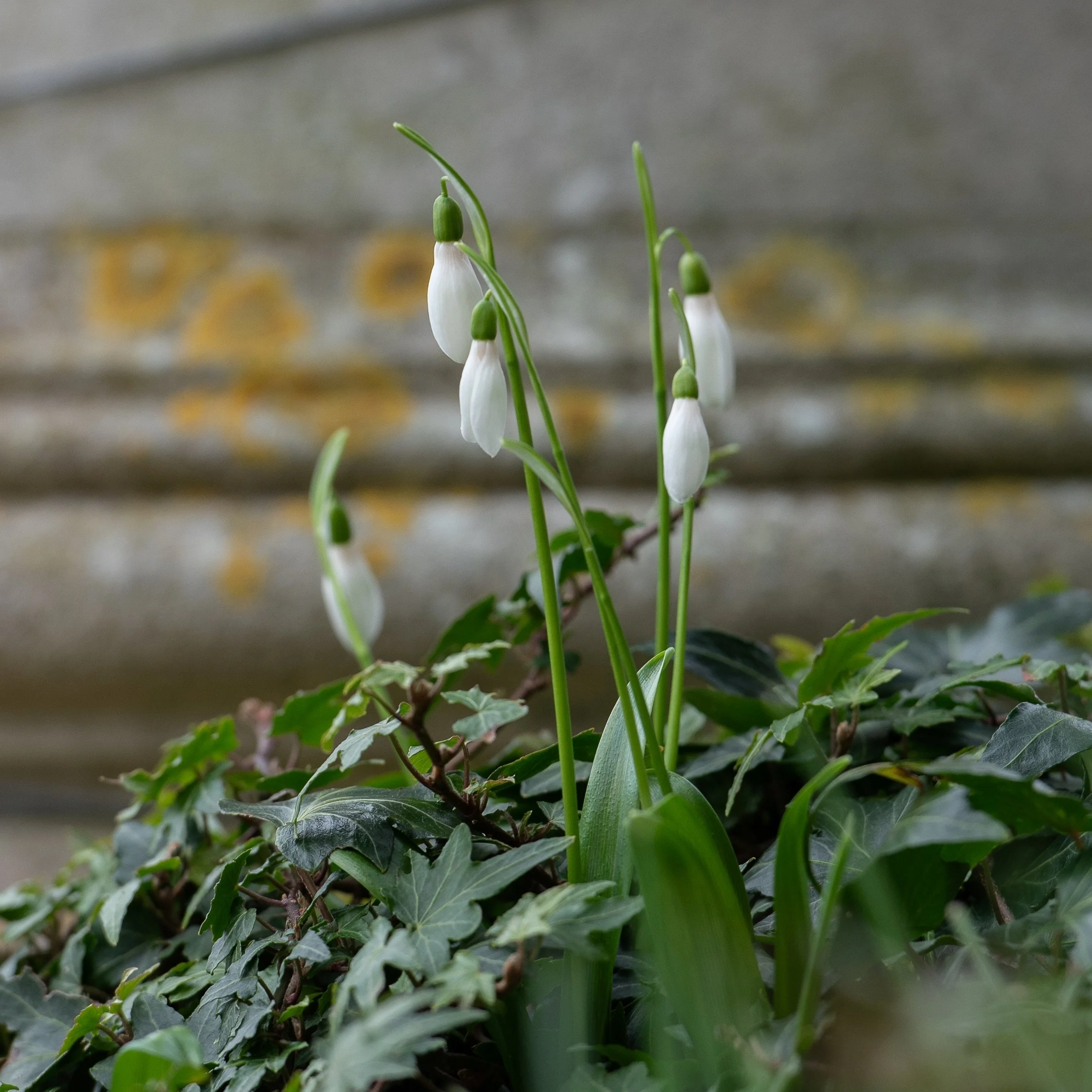
“Wild” snowdrops are a bit like bluebells, you’ve got to know where to look for them and once you’ve found them, keep it a secret. I’ve been collecting photographs for some years and these are from private gardens, public gardens, churchyards, woodland and parks.
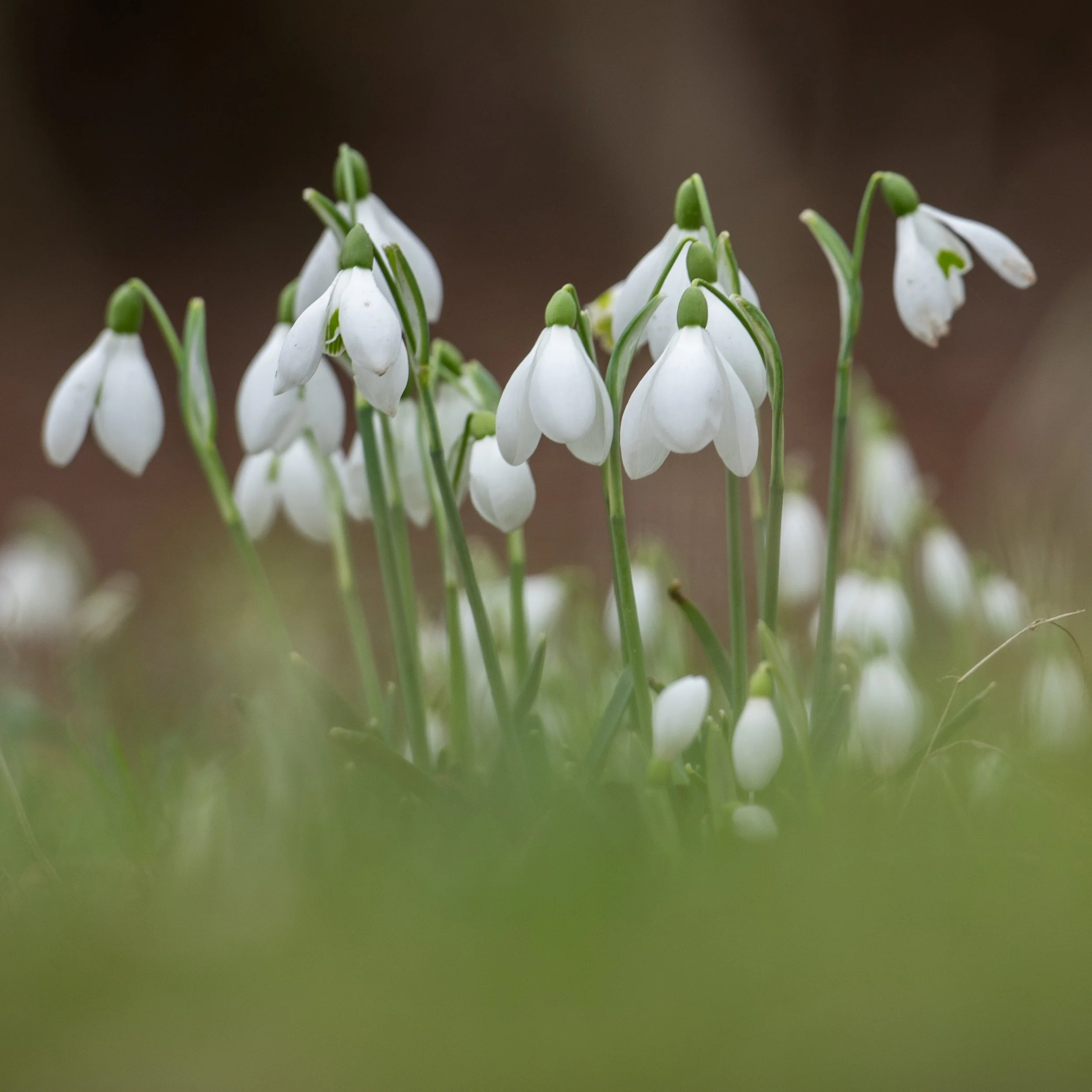
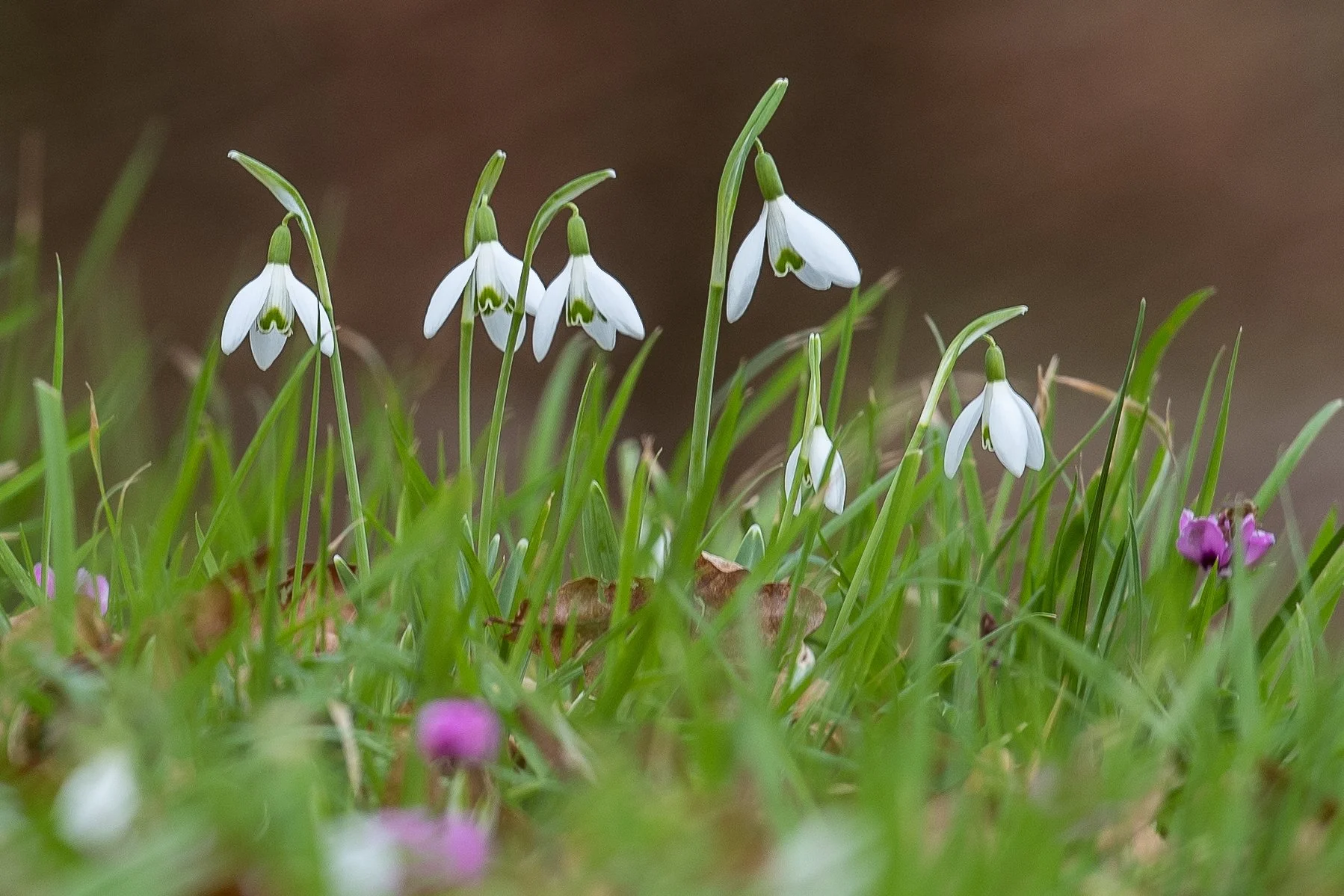
If your collection of snowdrops doesn’t quite fill your field of vision they also look good planted in a woodland or winter garden. Try them with hellebores, ferns, cyclamen, winter aconites, arum lillies, primroses and pulmonaria.
Where to See Snowdrops
Many open gardens have collections of snowdrops, sometimes in winter gardens, often dotted around. The best known place to see them is Welford Park near Newbury; others include: