
The joy of allotmenteering
Every summer our group of park gardening volunteers organises a walking tour of some of our own gardens. This summer we visited two allotments gardened by three of our group.
A British Institution
Allotments seem to be a uniquely British institution. Small areas of land are rented, usually from the local council, to grow fruits, vegetables and plants. Some people keep bees and hens and grow flowers for cutting. Allotments can vary in size but usually measure ten rods or poles, which is around 250 square metres.
Allotments have their origins in the late Anglo-Saxon/early medieval period when large fields were divided into thin strips for individuals or families to grow crops. This was known as the open-field system.
By the late 1500s these fields were divided up to be used only by the owner. They were then enclosed through a series of Acts of Parliament. In compensation, ‘allotments’ of land would be attached to tenant cottages - the first written reference to allotments in the UK.
Allotments as we know them today stem from the General Enclosure Act of 1845 that made provision for ‘field gardens’ to be used by the landless poor—although very little enclosed land was actually set aside for this purpose. The later ‘Small Holdings and Allotments Act’ of 1907 and 1908 imposed responsibilities on councils to provide allotments if there was a demand for them.
There was a huge increase in allotment use during the First and Second World Wars due to the shortage of imported food. Disused railway land, public parks and private gardens were all used to grow fruit and vegetables. The ‘Dig for Victory’ in the Second World War produced 1.3 million tonnes of food from 1.5 million allotment plots.
There was a steady decline in allotment use after the wars but this slowed during the 1970s when TV shows like the BBC’s The Good Life inspired interest in food production and self-sufficiency.
Since the 1990s, there has been a lot of renewed interest with concerns about climate change and food provenance, and the benefits of spending more time outside means that demand has rapidly outstripped supply.
Under Pressure
The waiting list for the allotments in these photos can be up to eight years. Increasingly there is pressure to change the use from allotments to housing. Recently there has been an increase in the number of private allotments. The cost of these is significantly higher than council-owned ones.

In Merton there are only three council owned allotments and new applications are no longer being accepted. From the statistically insignificant sample of the one allotment site I visited I would say around 20% of the allotments looked they had been abandoned.
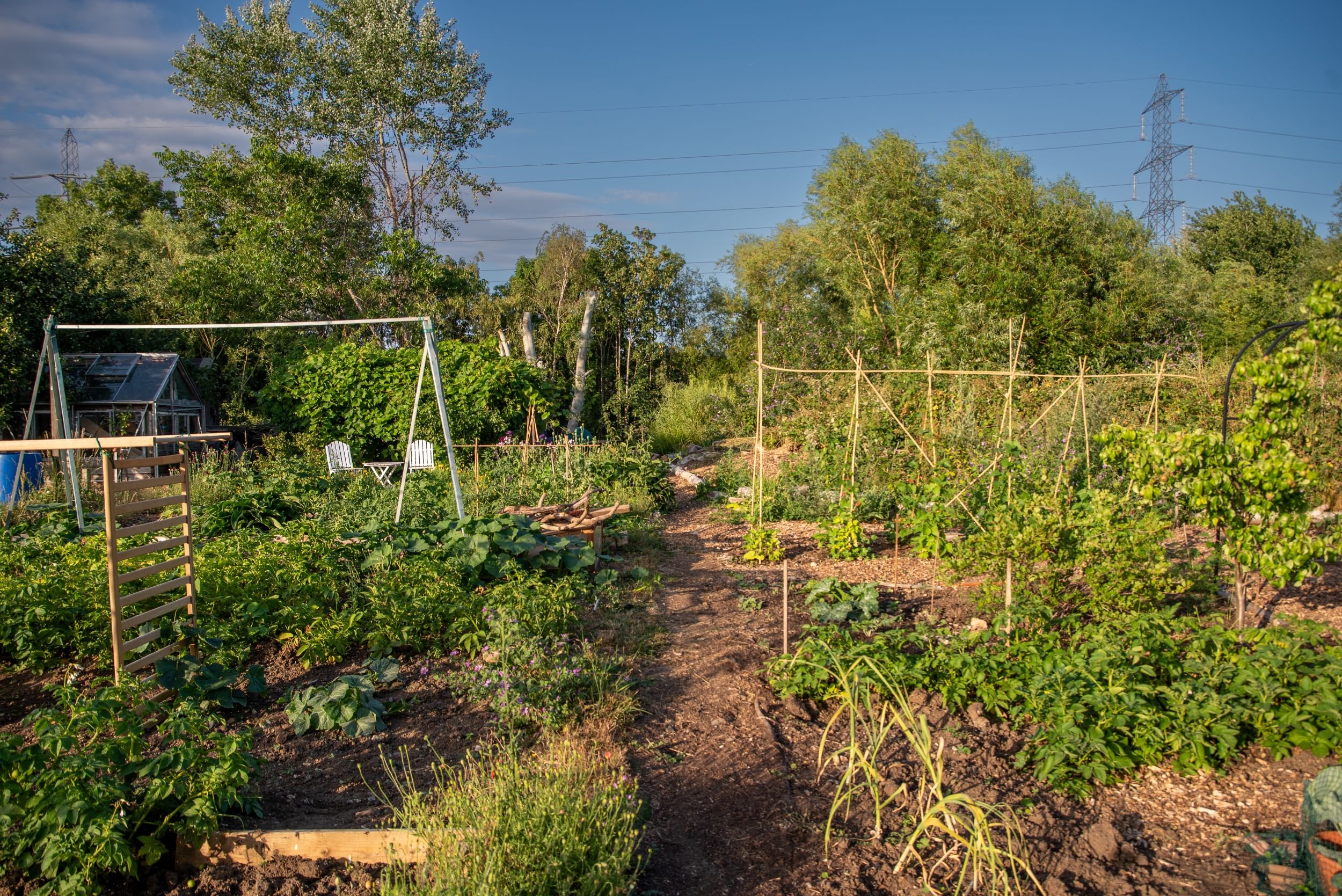
Getting a New (old) Allotment
It seems to take a long time for these to be declared available for new users. Allotments can deteriorate quickly, becoming invaded with pernicious weeds (and wildlife). It can take six months of hard slog to clear the ground of brambles, bind weed, even Himalayan balsam, requiring a lot of determination to keep going.
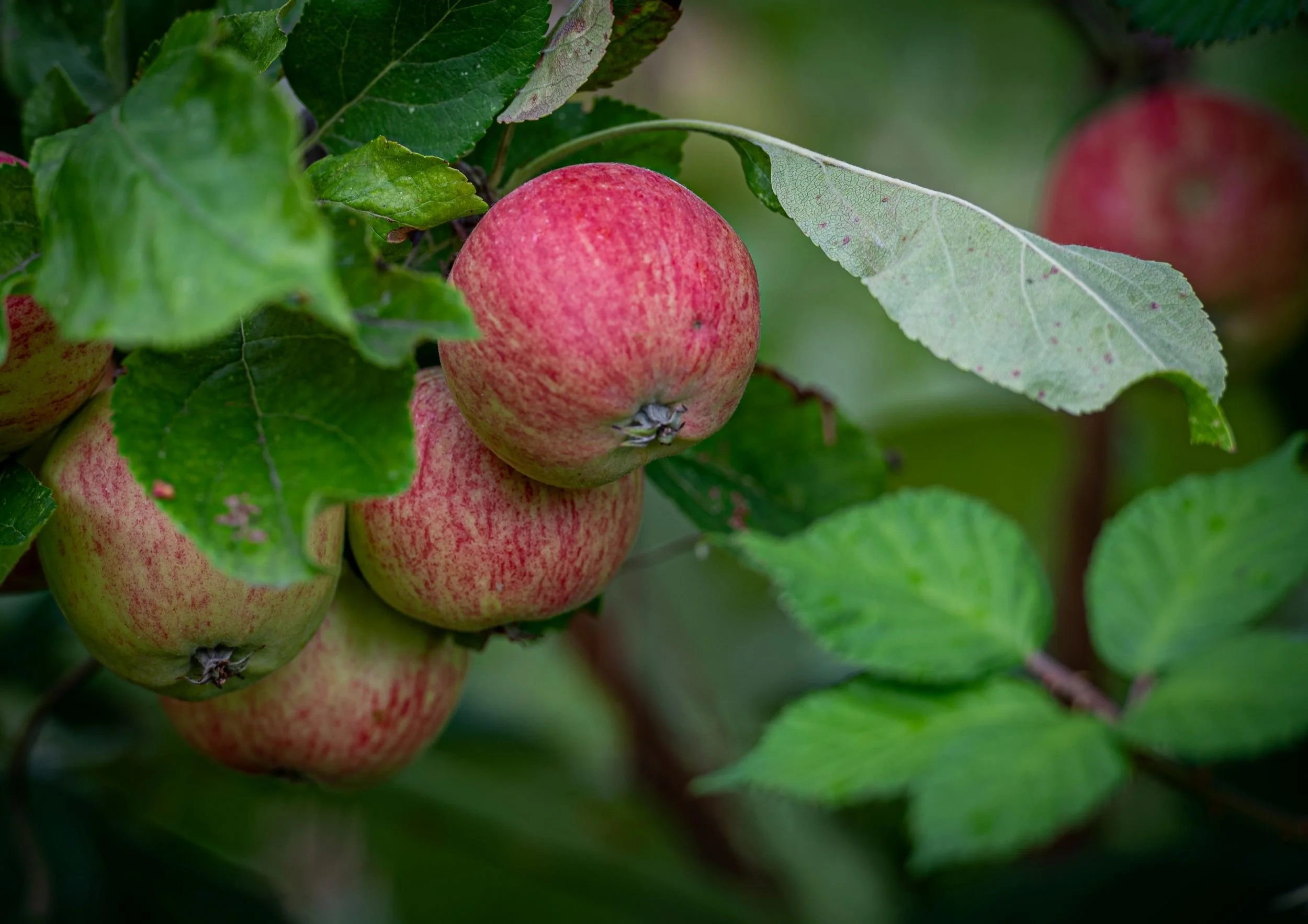
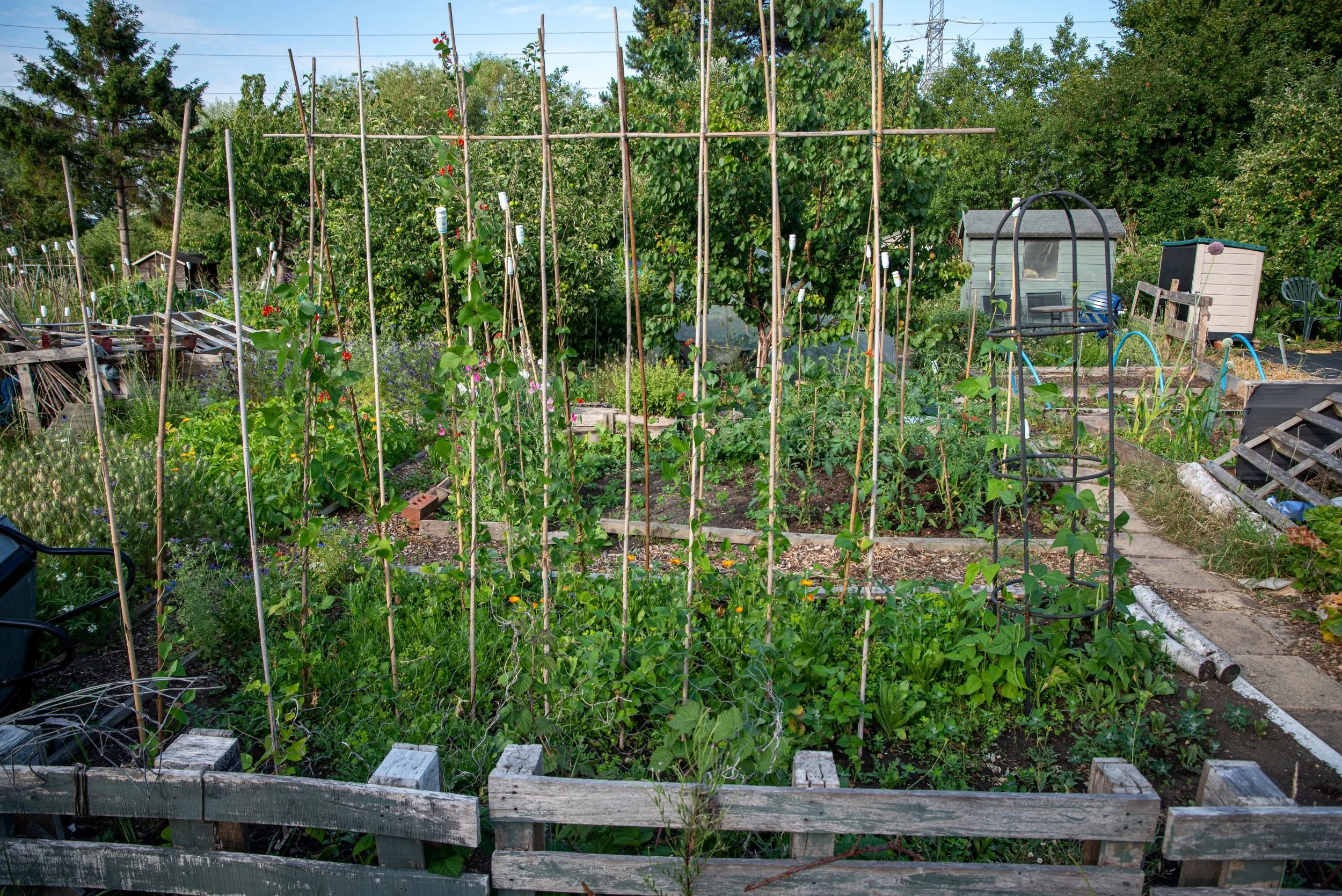
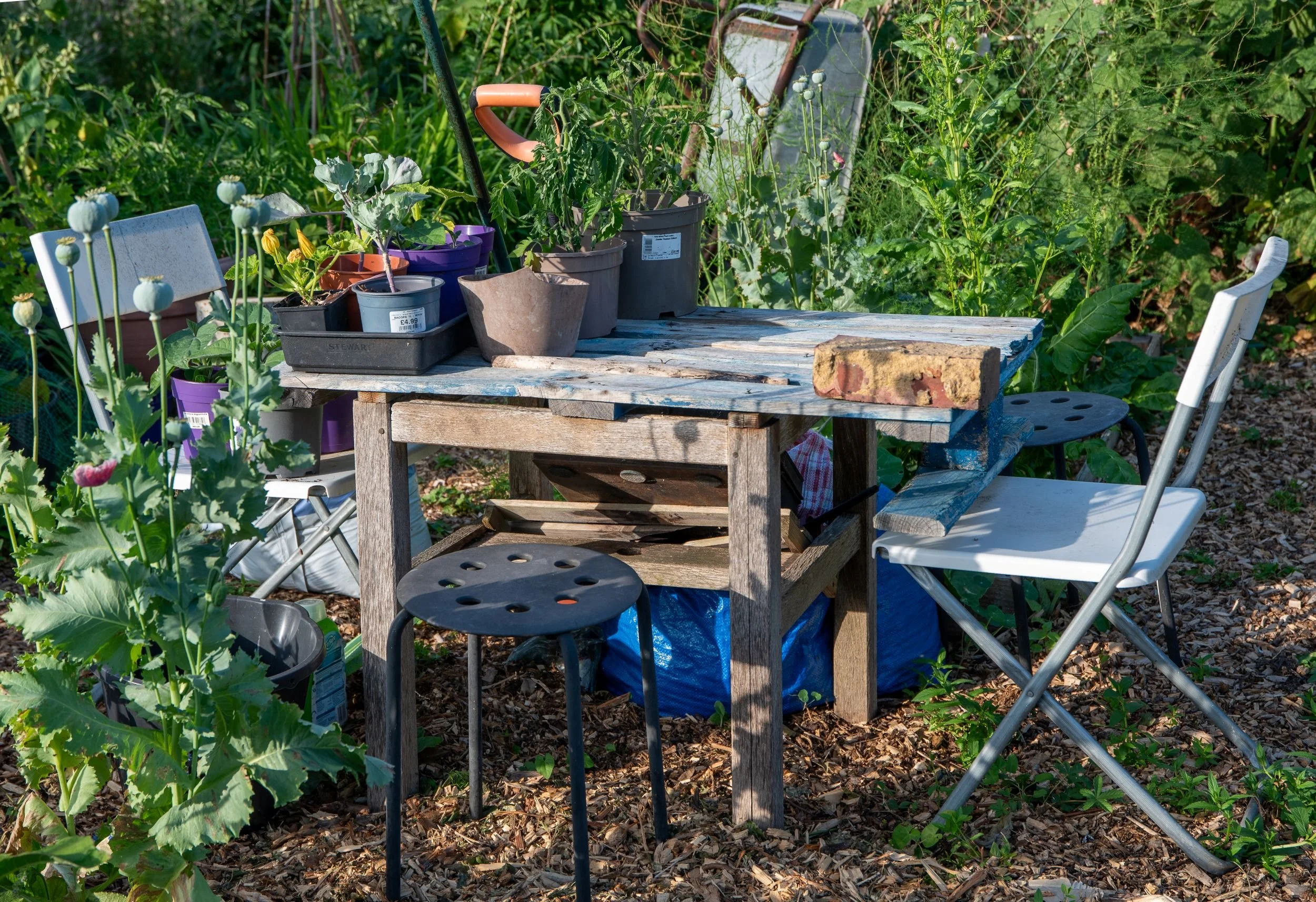
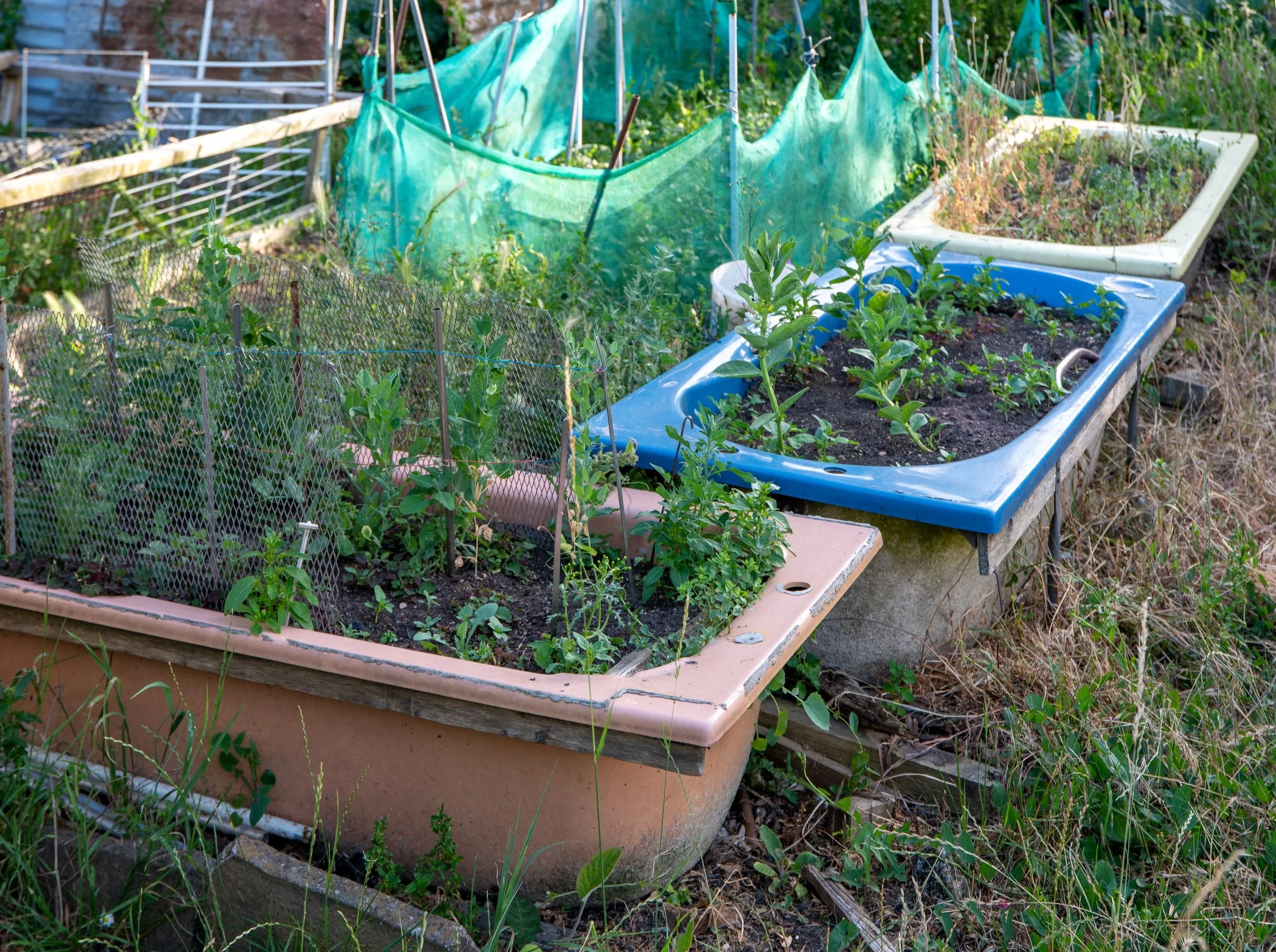
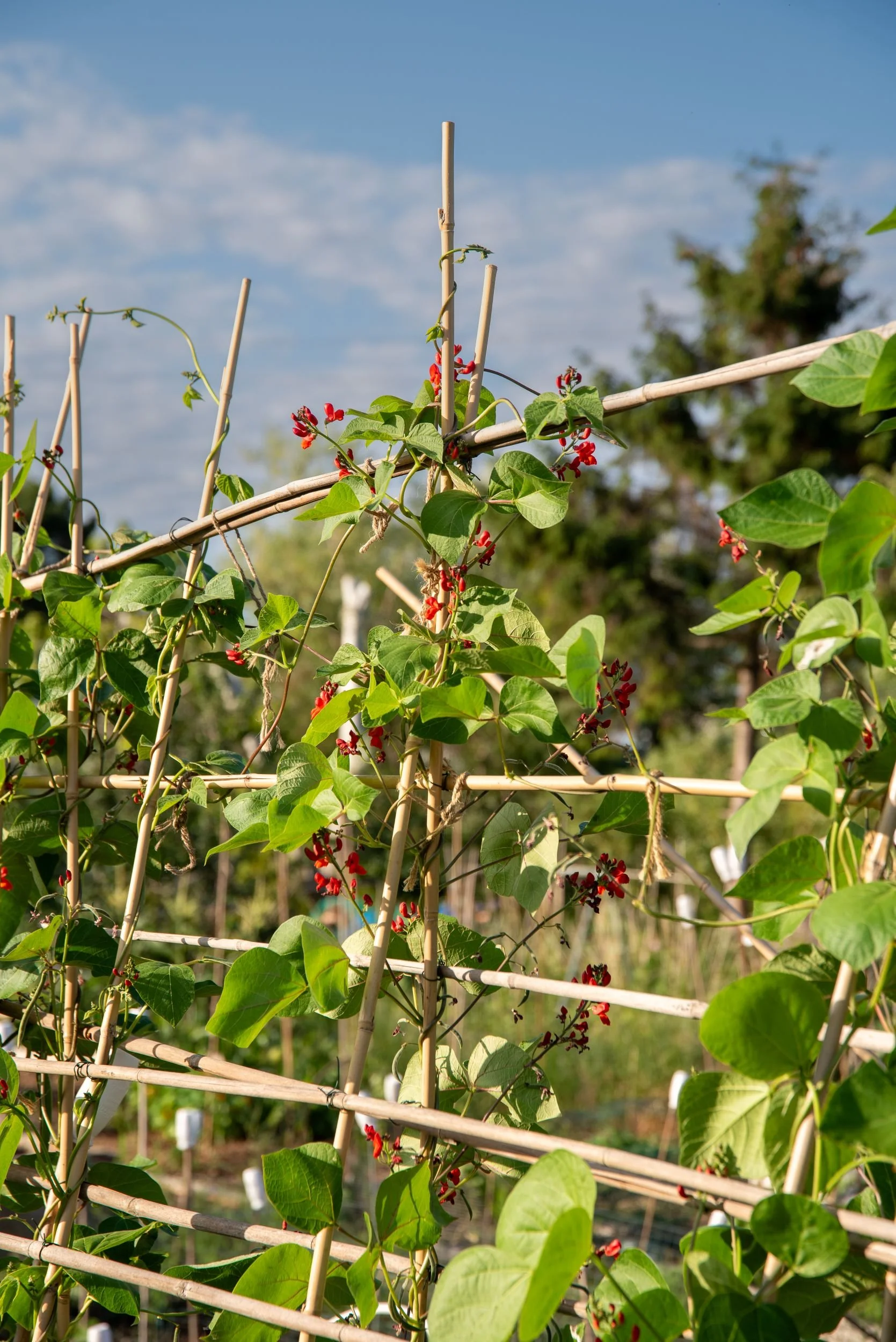
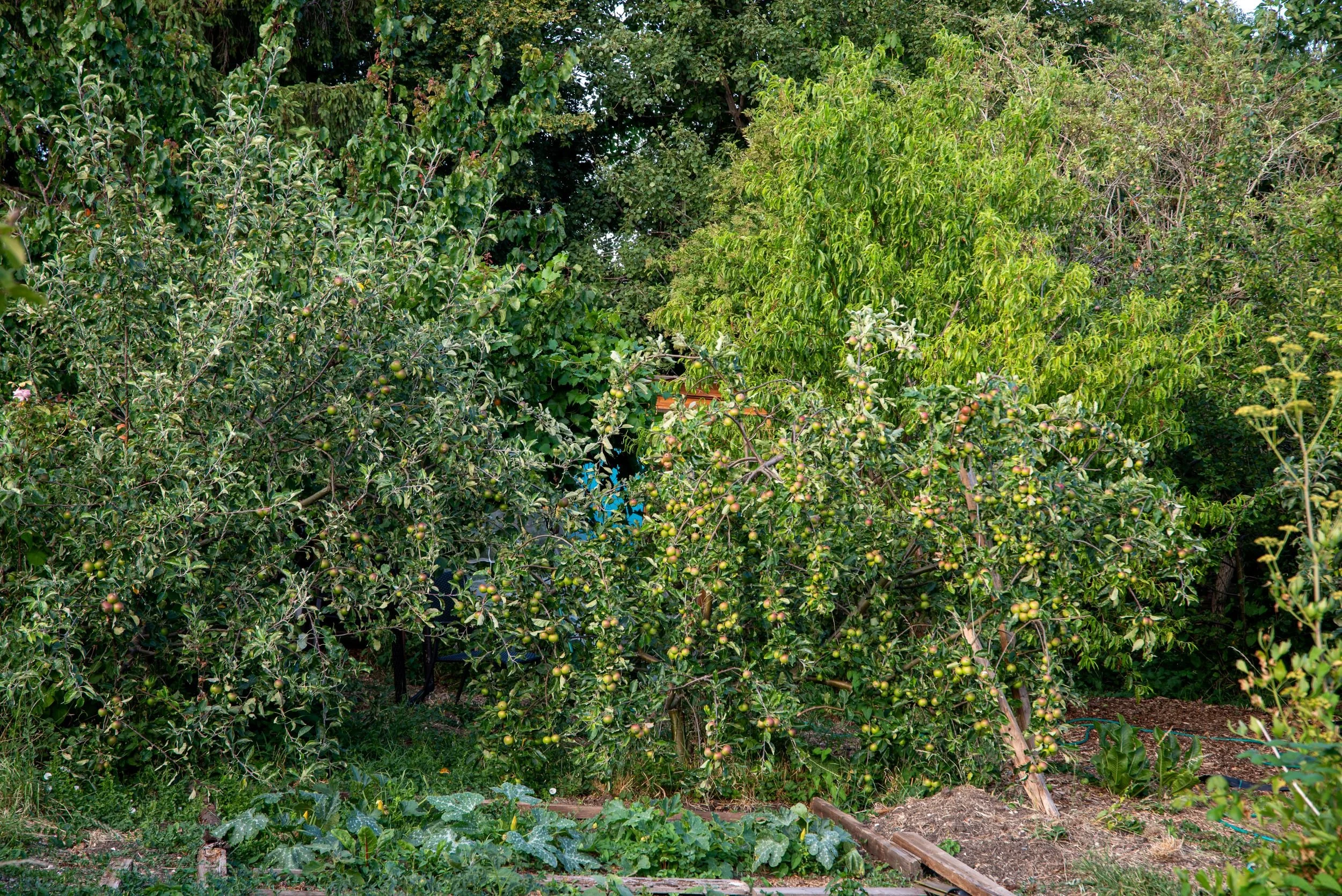
On the plus side you may inherit established perennial plants such as fruit trees and currant bushes. You may also inherit the shed (every allotment has one) in any state of repair, and assorted accumulated allotment accoutrements such as old baths, gazillions of bamboo poles, untold plastic pots but also greenhouses, paths, edging and well-rotted compost.
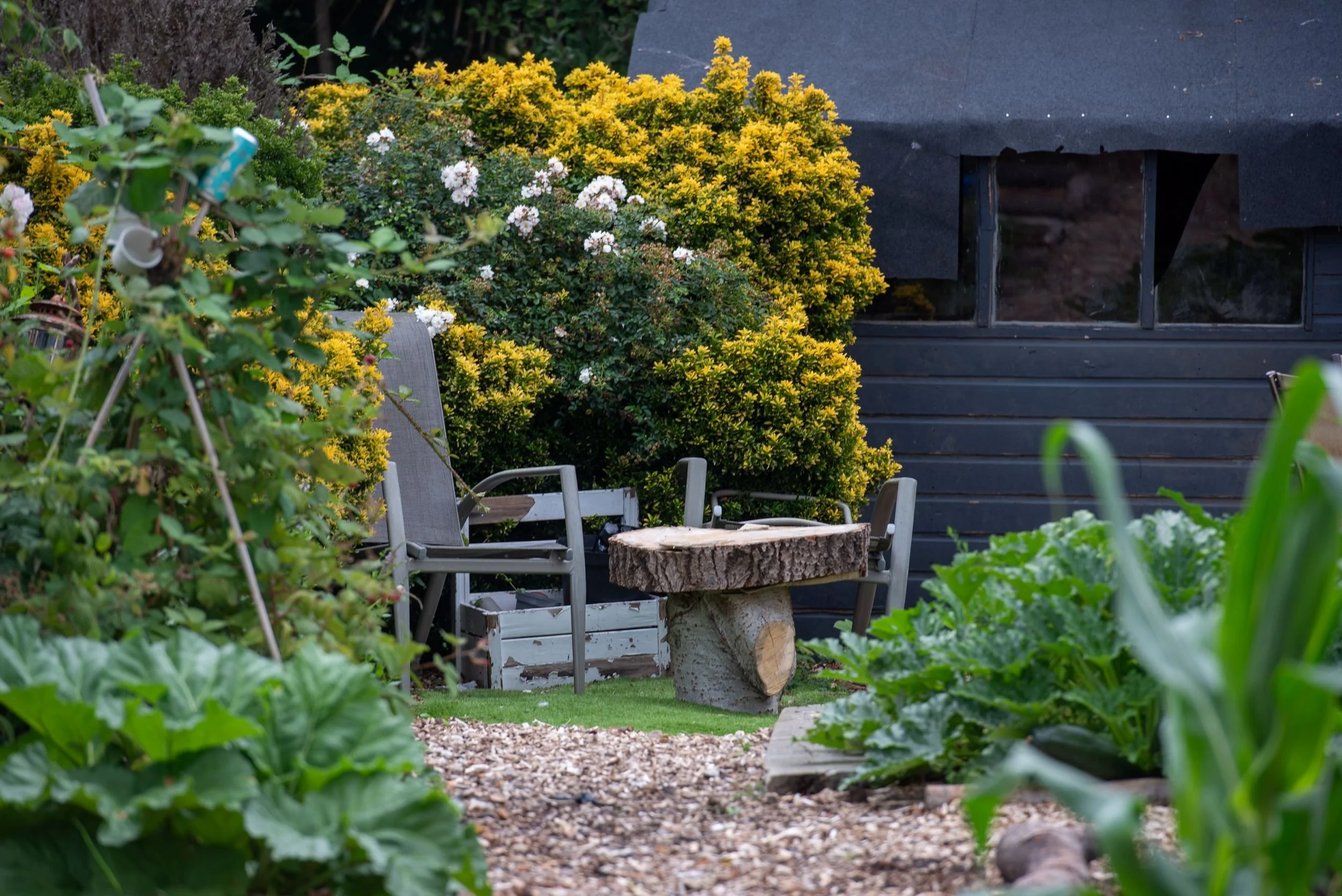
The Allotment Community
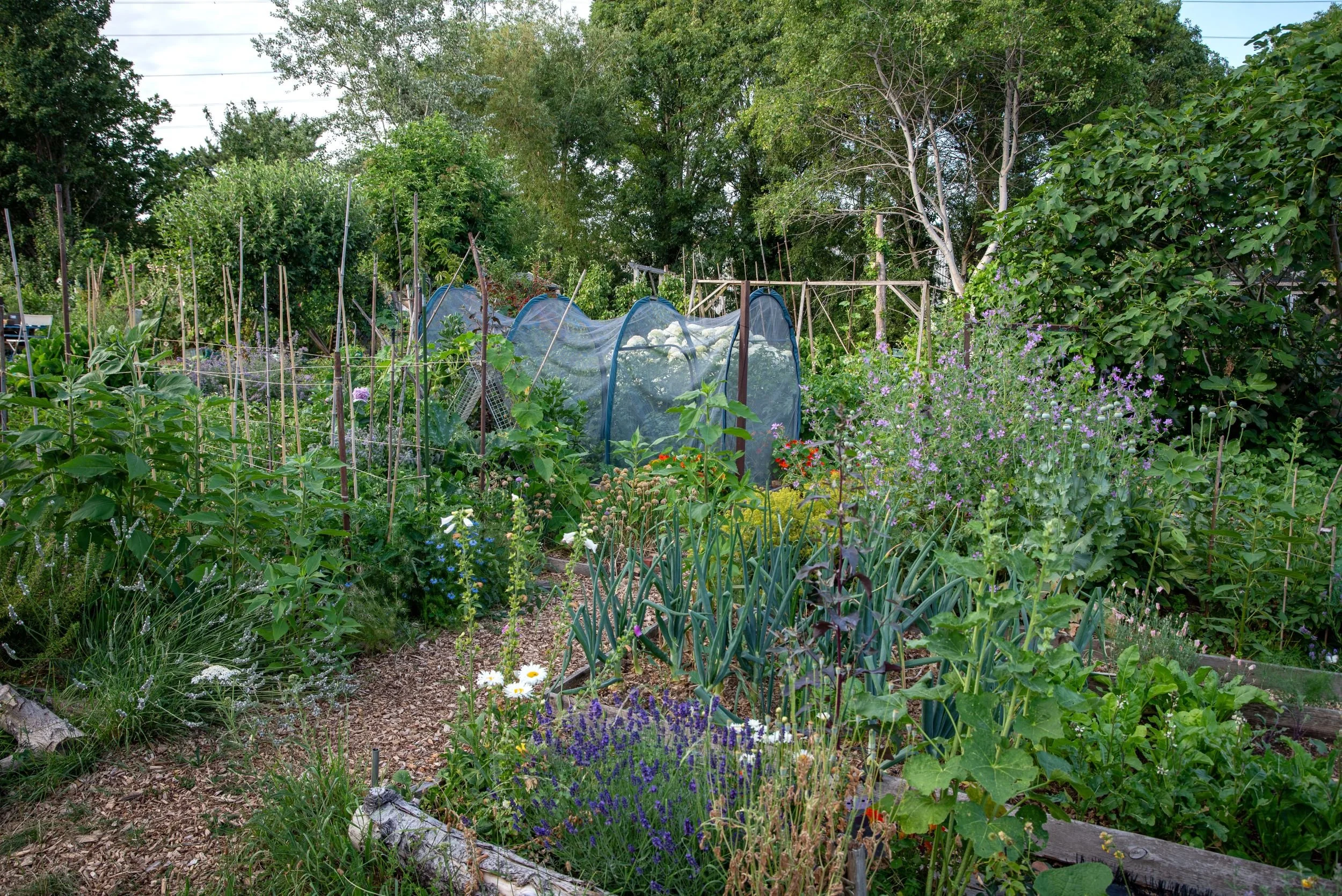
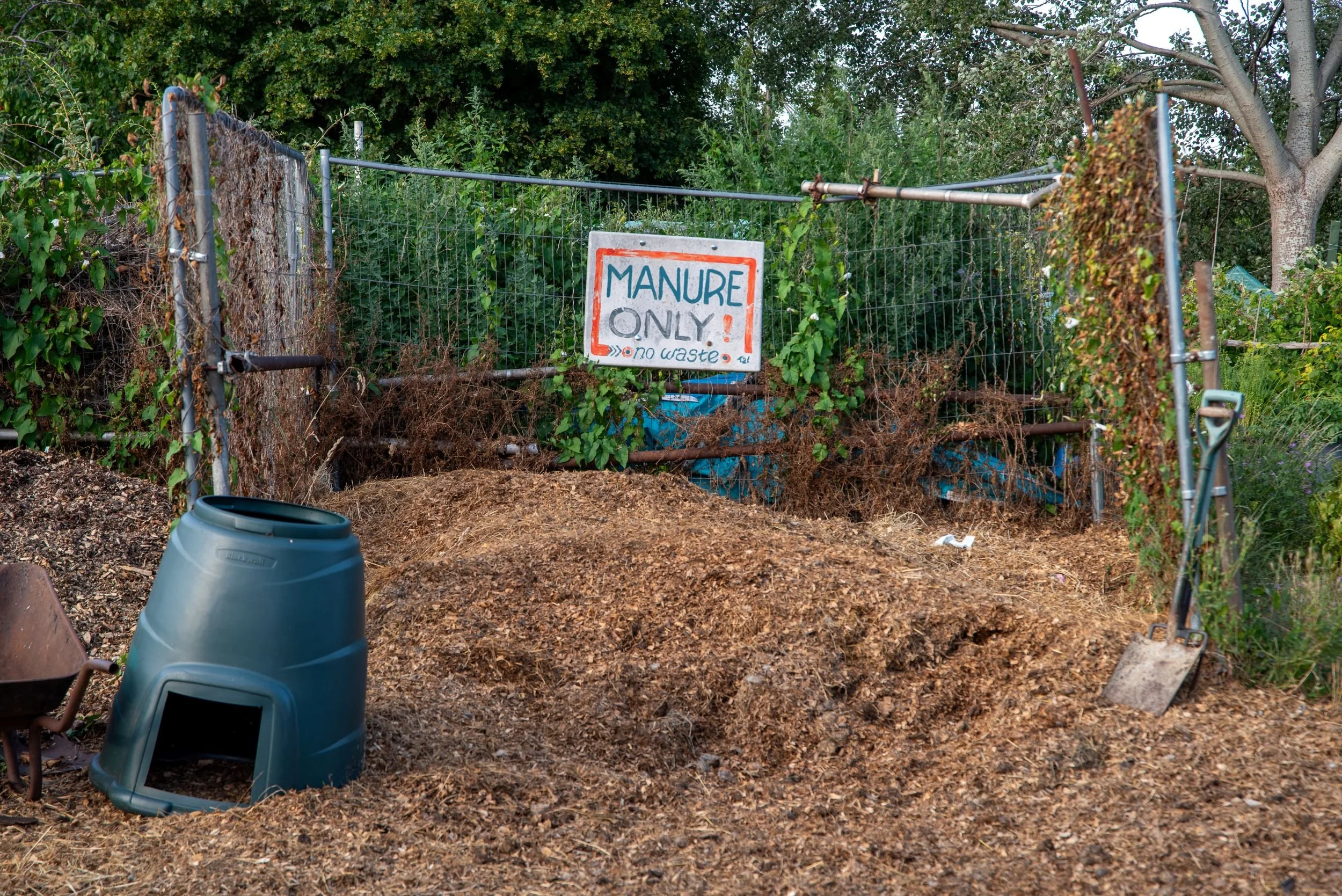
Many people take on allotments as they’d like to grow their own food. However, it is apparent that the community of allotmenteers that keeps people going. There is lots of advice (whether you want it or not), community get-togethers and community resources to share (the wild blackberries and large manure heap here spring to mind).
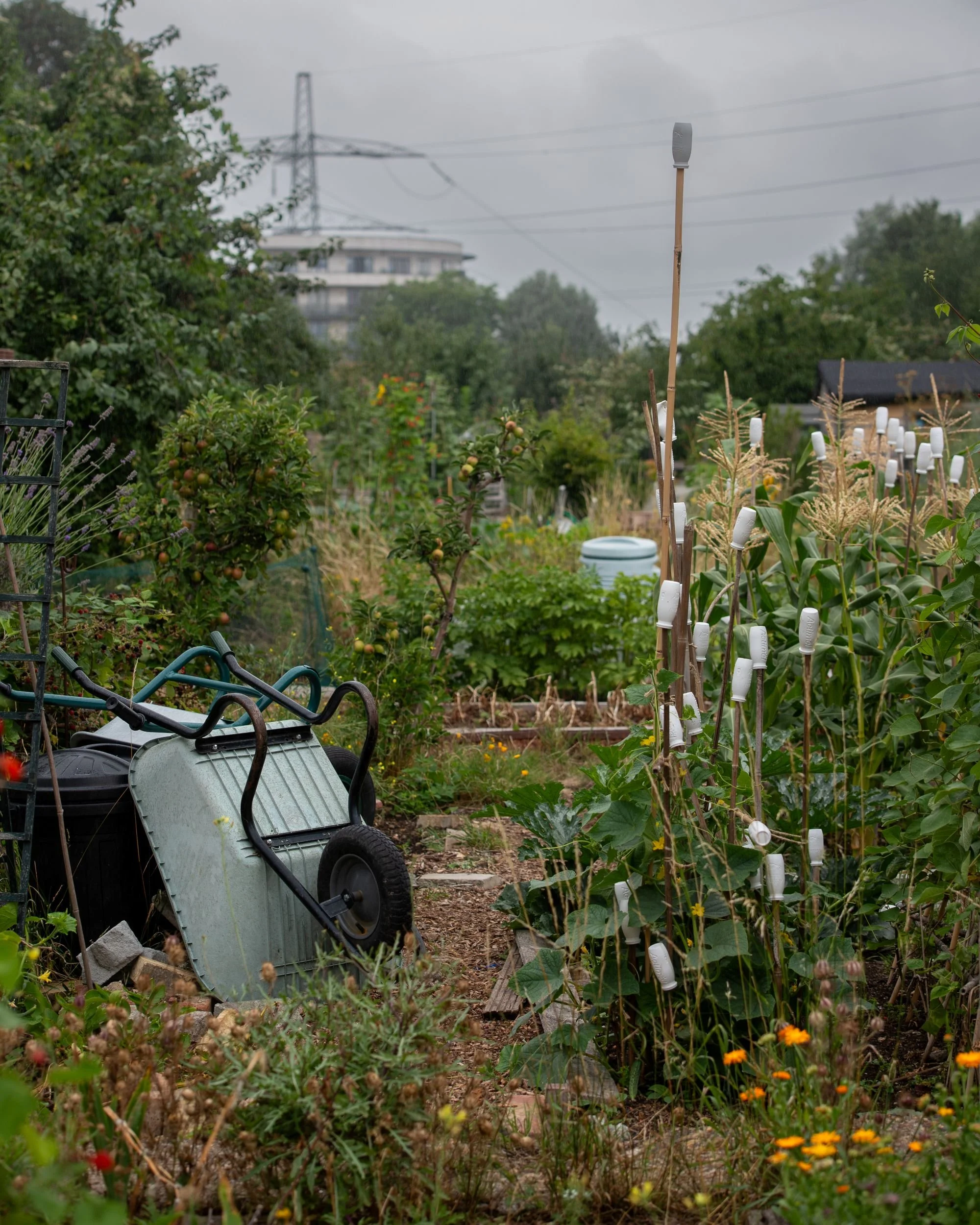
To the causal observer allotments can look a bit of a mess. Allotmenteers are nothing if not thrifty and resourceful, making use of many household items that might otherwise be thrown away. However, they are also havens of peace and quiet, full of wildlife (mostly welcome…) and provide a much needed escape from urban life.
Long live allotments!